The days of burning operating system ISO images to a disc are long gone. Today, most PCs can boot from USB so it's just easier to update and more convenient to install Windows from a USB flash drive. If you do not have an optical drive for reading DVDs or Blu-Rays in your PC but have a bootable USB drive, you may be interested in learning how to start your computer using that drive. There are a number of methods you can use.
RECOMMENDED: Click here to fix Windows errors and optimize system performance
Windows Boot Files Usb
There are a number of methods you can use in Windows 10 to start your PC from a USB drive. They can vary depending on your hardware and software. Modern computers allows you to select a bootable device at the startup (BIOS stage). UEFI firmware environments with Fast and Ultra Fast boot options often do not allow selecting a boot device. They provide a special option in advanced startup options instead.
May 02, 2018 To Boot from a USB Drive at Boot on Windows 10 PC Connect a bootable USB drive to a USB port on your PC. Turn on or restart your PC. Press the appropriate key (ex: F11) displayed for Boot Menu when you see the option available like below.
To boot from a USB drive in Windows 10, do the following.
- Plug your bootable USB drive to your computer.
- Open the Advanced Startup Options screen.
- Click on the item Use a device.
- Click on the USB drive that you want to use to boot from.
The computer will restart and start from the selected USB device.
Note: If you don't have such an item on the Advanced Startup Options screen, this means it is not supported by your hardware, or you have the Fast/Ultra Fast boot option enabled in UEFI.

In this case, the option you should choose in the UEFI BIOS screen should be the one to boot your PC from an external USB boot device.
Boot from a USB drive at PC startup
- Shutdown your PC or laptop.
- Connect your USB drive.
- Start your PC.
- If prompted, press a special key, e.g. F8.
- In the boot menu, select your USB drive and continue.
Tip: Refer to your laptop or motherboard manual to learn which key you need to press if your motherboard firmware shows no hint. The most common keys are F8 (ASUS), F11, and F12 (Acer) or Escape. You can try them if you have no user manual around.
If you need to create a Bootable USB drive, refer to the following articles:
That's it.
RECOMMENDED: Click here to fix Windows errors and optimize system performance
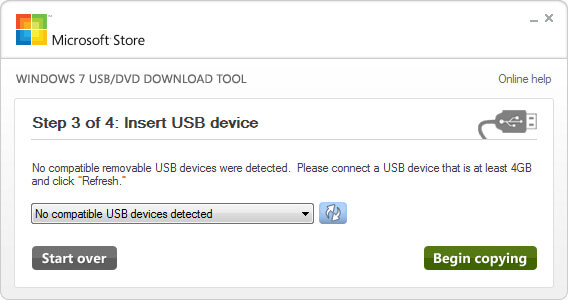
When you download Windows from Microsoft Store, you have two options: You can download a collection of compressed files, or you can download an ISO file. An ISO file combines all the Windows installation files into a single uncompressed file.
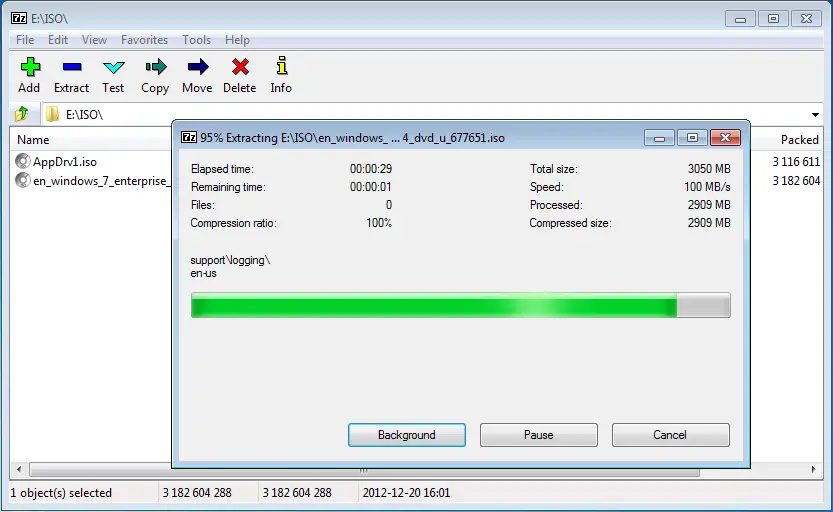
If you choose to download an ISO file so you can create a bootable file from a DVD or USB drive, copy the Windows ISO file onto your drive and then run the Windows USB/DVD Download Tool. Then simply install Windows onto your computer directly from your USB or DVD drive.
When you download the ISO file, you must copy it onto a USB or DVD. When you're ready to install Windows, insert the USB drive or DVD with the ISO file on it and then run Setup.exe from the root folder on the drive.
This allows you to install Windows onto your machine without having to first run an existing operating system. If you change the boot order of drives in your computer's BIOS, you can run the Windows installation directly from your USB drive or DVD when you first turn on your computer. Please see the documentation for your computer for information about how to change the BIOS boot order of drives.
Making copies
List Of Windows Boot Files
To install the software, you can make one copy of the ISO file on a disc, USB flash drive, or other media.
After you’ve installed the software and accepted the license terms that accompany the software, those license terms apply to your use of the software. The license terms for Windows permit you to make one copy of the software as a back-up copy for re-installation on the licensed computer. If you do not delete your copy of the ISO file after installing the Windows software, the copy of the ISO file counts as your one back-up copy.
If you need to download the software again, you can go to your Download Purchase History in your Microsoft Store account and access the download there.